Consciously Collected: Ethical Finds from Slovenia
Today we dive into Sustainable Souvenirs: A Buyer’s Guide to Ethically Made Slovenian Goods, exploring how to choose gifts that honor people, places, and traditions. Expect practical checklists, maker stories, certification tips, and heartfelt routes for shopping with purpose across cities, coasts, and mountains, so every purchase feels meaningful, durable, and gently aligned with the landscapes that shaped it.

Defining Sustainable Keepsakes

A meaningful keepsake carries respect for land, labor, and longevity. In Slovenia, that can mean responsibly sourced wood, traditionally crafted textiles, transparent workshops, and designs meant to be repaired rather than replaced. The goal is simple: buy something beautiful that supports livelihoods, safeguards nature, and will be cherished for years, not minutes.

Labels and Signs You Can Trust

Art & Craft Slovenia and Local Guild Marks

National and regional craft marks signal recognized quality and adherence to traditional or locally rooted methods. When you see a maker proudly display such recognition, ask what standards were assessed and how they maintain them. Documentation, maker profiles, and workshop photos provide further assurance that your purchase uplifts genuine skills rather than imitating their surface.

Forest-Friendly and Traceable Wood

For woodenware, look for responsibly managed forests and full traceability from log to lathe. Ask which species are used, where they grew, and how offcuts are handled. Many artisans save scraps for smaller objects or heating. Responsible forestry credentials, combined with maker transparency, reduce the risk of hidden impacts behind smooth finishes and elegant grains.

Textile and Food Assurances You’ll See

Textiles may carry globally recognized standards for organic fibers and safer dyes, while regional food gifts often indicate protected origins or geographic indications. Verify labels on honey, salt, and oils, and confirm any organic or natural dye claims. True assurance combines labeling with conversations, receipts, and packaging that name farms, mills, or salt fields.

A Lace Pattern Passed Across Generations

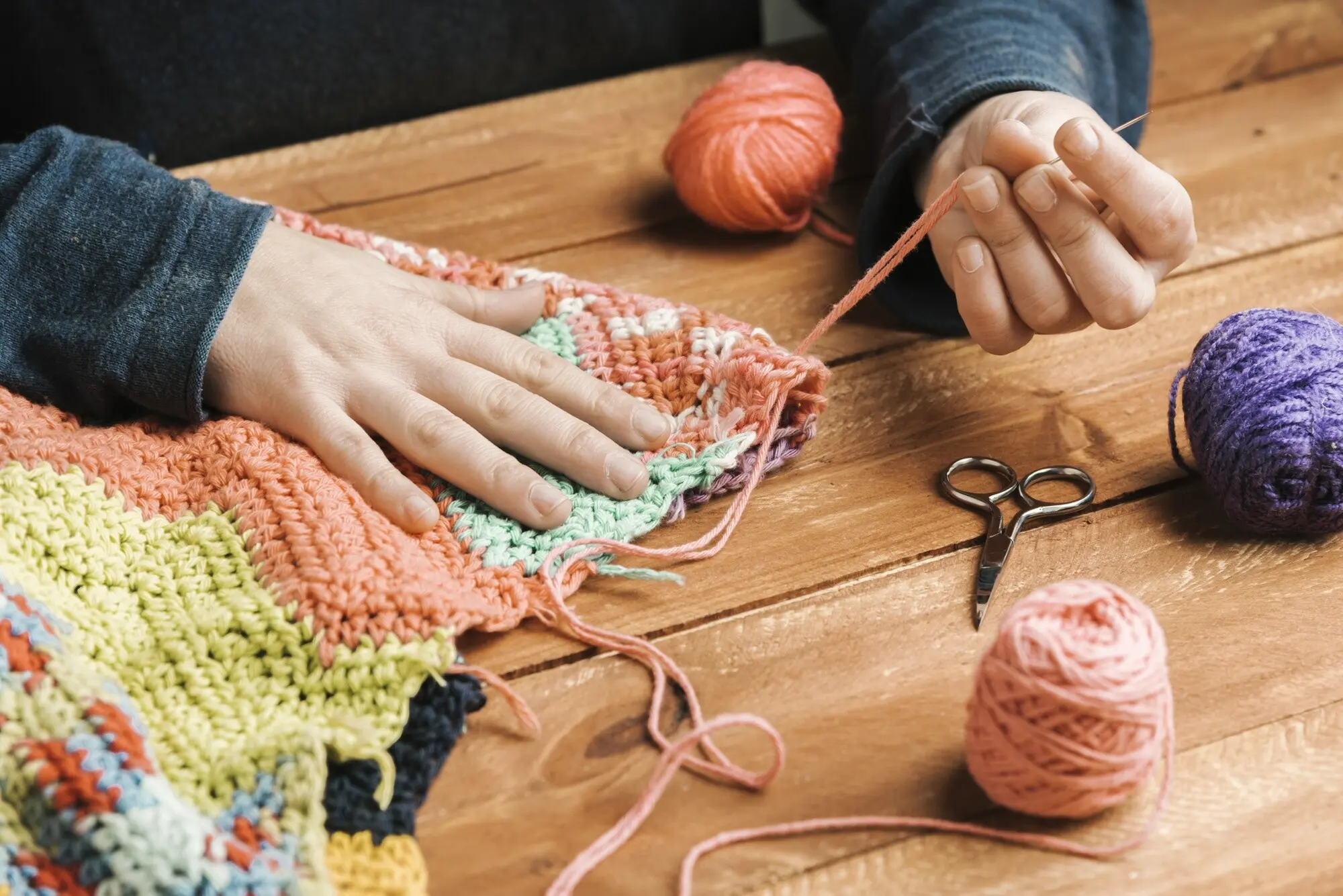
In a quiet Idrija studio, bobbins click like steady rain while a lace maker recalls a grandparent’s notebook of stitches stained with tea. She experiments with plant-dyed thread and recycled paper tags, proving heritage can evolve responsibly. Buying a small bookmark funds workshops for new learners, keeping delicate knowledge alive without compromising the environment.

Honey with a Native Guardian

A family apiary near Alpine meadows cares for bees that have adapted to local seasons, practicing gentle methods and planting diverse forage. They choose glass jars, minimal labels, and returnable crates. Listening to their dawn routines reveals how weather, flowers, and patience yield sweetness, and why each jar reflects a cared-for place, not just flavor.

What to Bring Home Without Burden

Choose small, durable, and useful objects that travel light and live long. Favor multi-purpose items, refillable containers, and locally abundant materials finished with natural oils or safe dyes. When gifts tell a story about careful sourcing and practical beauty, they become daily companions, not shelf decorations destined for dust and eventual disposal.

Soft Goods with Gentle Footprints

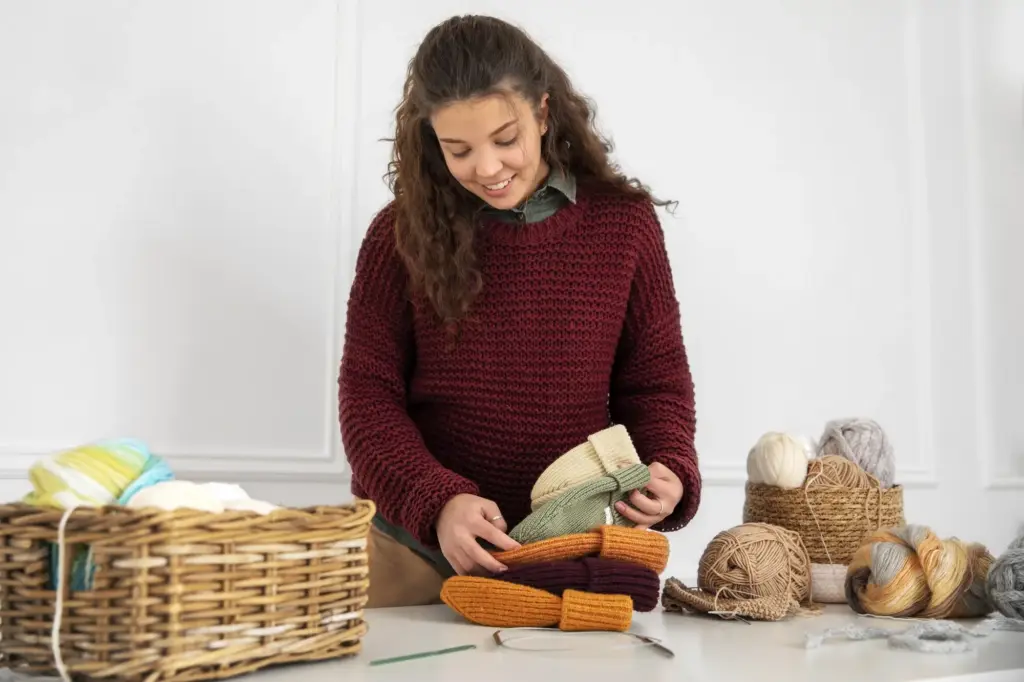
Consider wool slippers felted by hand, linen tea towels that dry quickly, or a lace-edged bookmark that marks both pages and memories. Confirm fiber origin, dye safety, and care instructions. Pack soft goods in fabric pouches instead of plastic, and request repair tips so a small snag or worn sole becomes a lesson in longevity.

Woodenware That Travels Light and Lasts

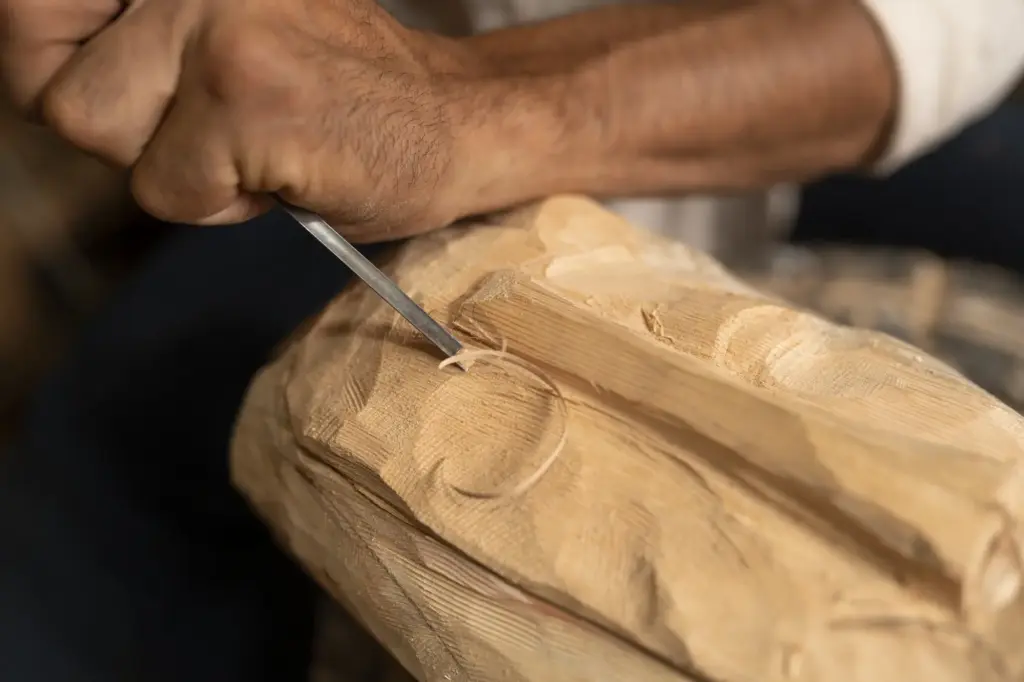
A beech spoon, a maple butter knife, or a compact board turns picnics into rituals. Ask how the wood was sourced, whether finishes are food-safe, and how to re-oil at home. Makers often share sample balm tins and simple maintenance cards, transforming a humble utensil into an enduring companion for everyday meals and gatherings.

Old Town Paths in Ljubljana

Begin near the river, moving between small studios that showcase wood, textiles, ceramics, and printmaking. Ask about origins, browse offcut bins, and favor limited runs. Pause at zero-waste shops for travel refills and reusable wraps. Finish with a tea at a café that spotlights local producers, noting addresses to share with fellow mindful travelers.

Mountain Markets and Alpine Workshops

In Alpine towns, weekend markets gather knitters, woodturners, and beekeepers. Breathe the resin-scented air while speaking with makers about seasonal rhythms, wool clipping, forage, and slow finishing. Choose compact goods that fit into a daypack, and remember to carry cash for tiny stalls. Photographs of labels help you trace products later and reorder responsibly.

Coastal Corners and Salt Museums

On the coast, combine boardwalk strolls with visits to salt museums and shops that explain harvesting techniques and ecosystem care. Seek oils, teas, and ceramics from neighboring studios, reducing transport distances. Many venues host talks; ask for schedules. Sunset returns by bus or on foot turn purchases into souvenirs of breezes, knowledge, and careful steps.

Budget, Care, and Greenwashing Guardrails

Ethical choices balance wallet, wisdom, and wear. Set a budget that honors fair pay, then choose fewer, better items. Use a simple checklist to assess materials, labor, and packaging. Learn care routines before you buy, so maintenance feels easy later. Ask honest questions, welcome detailed answers, and reward transparency with your continued support and recommendations.
Tavonarisanopexitorakavi
Privacy Overview

This website uses cookies so that we can provide you with the best user experience possible. Cookie information is stored in your browser and performs functions such as recognising you when you return to our website and helping our team to understand which sections of the website you find most interesting and useful.