Craft with the Masters: Lace, Clay, and Wood in Your Hands
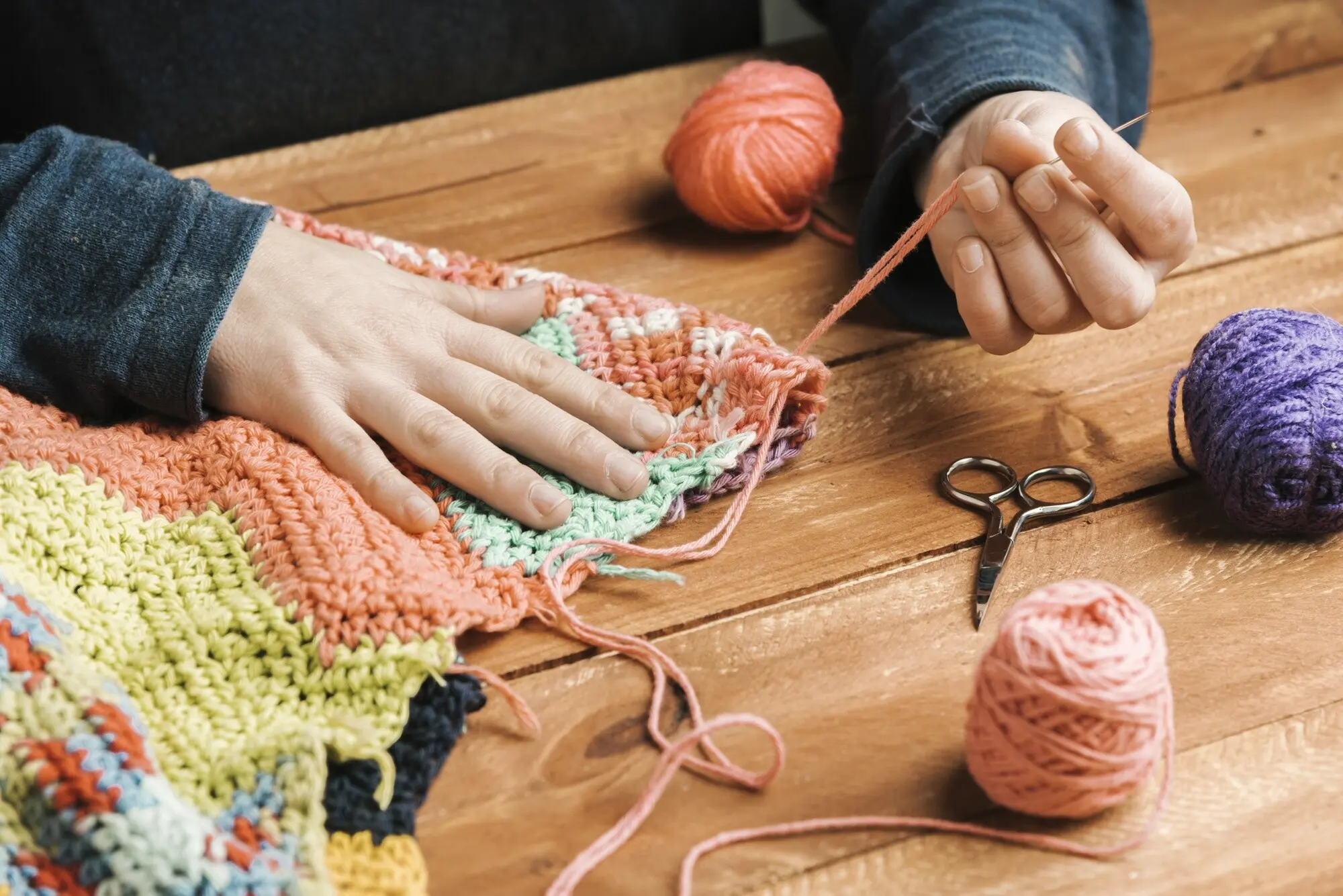
Step into welcoming studios where local masters guide you through hands-on workshops in lace-making, pottery, and woodcarving, inviting you to listen with your fingertips and learn by doing. You will steady bobbins across a cushioned pillow, center living clay on a humming wheel, and feel woodgrain whisper beneath a keen edge. Expect patient stories, practical demonstrations, and time for mindful practice. Bring your curiosity, ask questions freely, and share what you make. Subscribe for workshop updates, reply with your goals, and reserve your spot to begin creating with confidence.

Finding Flow with Bobbins and Thread
You begin by learning two humble movements—cross and twist—discovering how tension becomes music across a pillow dotted with carefully placed pins. The instructor watches your hands, not to judge, but to suggest lighter fingertips and steadier breath. Threads behave like companions when you listen. Patterns emerge line by line, and a narrow ribbon becomes your first lace. The moment you lift it free, delicate yet strong, you understand how patience weaves beauty from the quietest actions.

Centering Clay Without Losing Nerves

Clay resists until it trusts you. With elbows anchored and palms steady, you lean inward while the wheel hums. The master’s voice is calm: lock your wrists, breathe, and let the clay come to you. You feel a click when the wobble vanishes, a subtle surrender beneath your hands. From there, walls rise like a slow sunrise. Even collapse teaches something real—how water, speed, and pressure converse. Every reclaimed lump becomes wiser, and so do you.

Reading the Grain Before the Cut

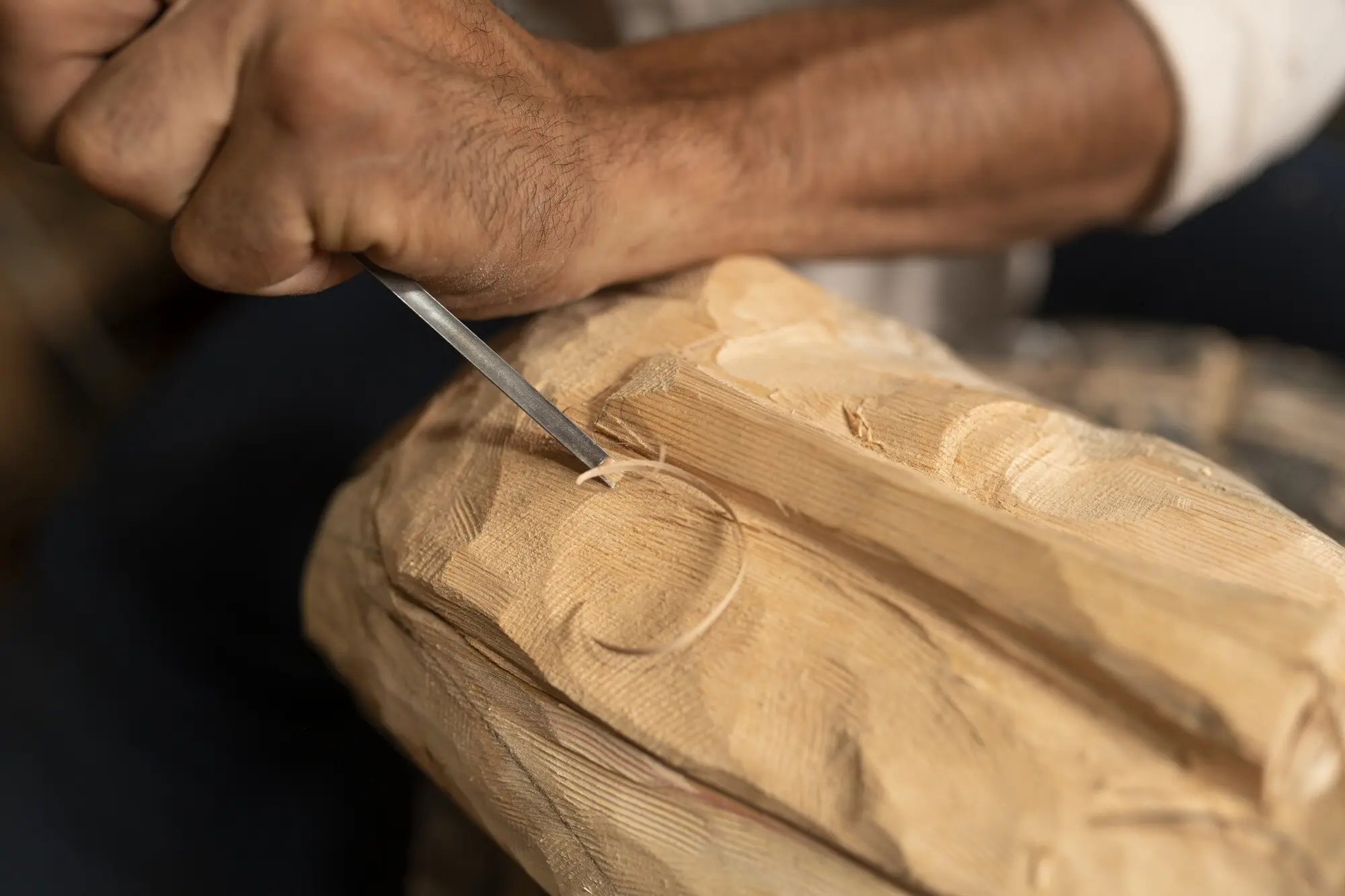
Wood answers honesty. You tilt the blank to greet the grain, test a shallow pass, and hear the difference between tearing and slicing. The instructor shows how light glances across fibers to reveal direction, like wind over grass. You brace the work, keep fingers behind the edge, and carve with controlled intent. A spoon’s curve appears in facets, gradually smoothed to comfort. Small shavings pile like curled feathers, proof that steady angles and patient hands can coax warmth from solid timber.

Tools That Fit Your Hands and Pace

Bobbins, Pillows, Pins, and Tension Tricks

Discover why polished bobbins glide, how a well-stuffed pillow holds pins without wobble, and where thread conditioners genuinely help. The instructor demonstrates tension checks by gently lifting crossings, listening for a crisp whisper rather than a clumsy tug. You will test different thread weights, noticing how pattern scale and pin spacing change. With simple tape marks and color coding, mistakes become easier to trace. By session’s end, your hands claim a steady tempo that keeps patterns crisp and alive.

Wheels, Ribs, Kilns, and Honest Temperatures

Learn the difference between soft and stiff clay bodies, feel how speed shifts control, and use wooden ribs to refine curves without thinning walls. The master explains bisque and glaze fires, why witness cones still matter, and how cooling patience prevents heartbreak. You will set kiln logs, label test tiles, and try safe glaze layering. From water buckets to sponges and bats, every tool earns a purpose. Responsible firing becomes part of your voice, not a backstage chore.

Gouges, Mallets, Vises, and Guarded Edges

Sharpening is taught as a conversation with steel: establish the bevel, chase the burr, then strop until the edge quietly reflects light. You will learn push and pull cuts, safe tool rests, and body alignment that prevents strain. A vise secures work; your off-hand becomes a mindful guardian rather than a bystander. The mallet’s rhythm keeps depth consistent while grain direction guides your choices. With care, each pass is lighter, cleaner, and full of intention rather than force.

Practice Paths That Build Confidence

Progress thrives on sequences that feel achievable and meaningful. These sessions lay out small, focused projects where you learn one concept at a time: tension management before complicated repeats, even walls before adventurous rims, and clean facets before ornate relief. Masters offer kind critiques that highlight cause and effect, not personal worth. You will keep a process journal, test variations, and celebrate durable milestones. Share your updates in comments, compare notes, and witness how consistent curiosity turns effort into growth.

A Lace Bookmark You’ll Keep Forever

Start with a narrow strip that introduces ground stitches, picots, and simple crossings, building confidence without overwhelming charts. You will practice pin placement, consistent turning points, and thread joins that disappear. The instructor encourages light tension, prevents edge scallops, and shows gentle blocking for final crispness. When you slide the finished piece between pages, it holds more than words—it keeps the calm you earned while weaving patience into pattern.

A Mug That Welcomes Morning Light

Throwing a small cylinder teaches centering, lifting, and timing. You will compress the base to resist cracks, trim a satisfying foot, and pull a handle that feels like a handshake. Glaze tests reveal how color pools on curves and breaks on edges. Firing records become companions, not mysteries. Morning coffee tastes different when cradled by your own work—every fingerprint beneath the glaze a reminder that usefulness and beauty can share the same humble form.

A Spoon That Feels Alive in Use

Carving begins with layout, safe stop cuts, and a confident hook knife sweep within the bowl. You will refine the neck for strength, thin the rim for grace, and balance weight so stirring feels effortless. Sanding is minimal when edges are honest. A food-safe oil brings grain to life with surprising warmth. Stir a simple soup and notice how the handle guides your grip. Practical objects, born from care, quietly renew daily routines.

Grandmother’s Pillow and the Market Bell

One lace instructor recalls setting pins beside her grandmother at dawn, the market bell marking hours by pattern repeats. They traded ribbons for apples, stitching community into every crossing. She shows a faded card with pencil notes, then guides you through that same motif, letting history pass hand to hand. Working it yourself, you sense how ordinary mornings become archives when patience, rhythm, and kindness tie generations together across the breadth of quiet thread.

Clay from the Riverbank and Ash Glaze Sparkle

A potter describes gathering clay after storms, wedging out stones, and testing small bowls in a wood-fired kiln. Ash travels on heat, melting into accidental glass that blushes on rims. He saves failures, explaining what each taught about drying, stacking, and cooling. Holding one survivor, you trace tiny crystals where flame licked the shoulder. In your own tests, even with electric kilns, you can chase similar depth through layering, patience, and attentive record keeping.

Community, Feedback, and Gentle Accountability

Post a photo of your bobbin maze, a freshly thrown cylinder, or a tricky carving corner. Describe what you tried, what happened, and what you wonder. Others will respond with gentle observations, annotated sketches, or short videos. The goal is not to perform expertise but to practice clarity. When you explain your process, understanding deepens. When you help someone else, your eye sharpens. Curiosity, shared openly, makes progress feel both personal and collective.
We encourage transparent logs that include warped rims, snapped threads, and tear-out near knots. Documenting missteps builds a library of solutions and protects morale. Masters often post their own imperfect trials, modeling resilience and humor. You will learn to spot early warning signs and design thoughtful interventions. Celebrate steady refinements, not just big reveals. Over time, your archive becomes an honest map of craft, reminding you how every correction seeds the next confident stride.
Hands-on learning glows brighter with companions. Secure your spot early, share car rides, and trade notes over tea between sessions. We offer brief orientation messages, supply checklists, and reminders that trim anxiety before you arrive. Invite someone curious, even if they feel unskilled; encouragement multiplies when shared. Subscribe for calendar alerts, reply with your preferred times, and tell us what you hope to make first. A welcoming bench and sharpened tools will be ready.

Care, Sourcing, and Stewardship for Makers

Threads and Yarns with a Future in Mind

Consider natural fibers, traceable dyes, and spools that minimize plastic waste. The instructor shows how thread behavior changes with humidity and storage, encouraging breathable containers and gentle conditioners. You will learn to salvage ends for sample cards, test blends for sheen versus strength, and choose vendors who share transparency. Even small decisions—like labeling, mending, and gifting swatches—build a culture of care. Over time, your lace carries responsibility as gracefully as it carries light.

Clay, Water, Heat, and Respectful Cycles

Clay is endlessly teachable when reclaimed correctly. You will learn slaking, sieving, and wedging that return leftovers to lively bodies. Sponges and buckets get disciplined roles to reduce slurry. Kiln schedules favor even heating, energy awareness, and patient cooling. Test tiles and clear notes prevent wasteful guesses, while shared firings support community and cost. Responsible choices turn utility bills into lessons, proving that thoughtful heat, humble water, and careful timing nurture both craft and planet.

Trees, Offcuts, Oils, and Safe Finishes

Selecting wood from responsible sources protects forests and stories connected to them. You will turn offcuts into spreaders, burnishers, and gauges, learning that scraps can teach finesse. Food-safe oils and low-VOC finishes keep breathing surfaces alive and comfortable. The master explains end-grain considerations, drying patience, and storage that prevents warping. Regular stropping extends edge life, reducing grinding. When care becomes routine, every carving feels like collaboration—with the tree, the tool, and the hands that hold them.
Tavonarisanopexitorakavi
Privacy Overview

This website uses cookies so that we can provide you with the best user experience possible. Cookie information is stored in your browser and performs functions such as recognising you when you return to our website and helping our team to understand which sections of the website you find most interesting and useful.