Wander Slovenia’s Living Workshops
Welcome to Artisan Trails: Self-Guided Routes to Slovenia’s Master Craftspeople — an invitation to lace your boots, unfold a hand-drawn map, and follow curiosity from forge to loom to sunlit studio. Meet makers who shape iron, thread, clay, glass, wood, and salt into everyday beauty, and collect stories that outlast souvenirs. This friendly guide empowers you to travel at your own rhythm, unlock doors with a smile, and leave each village with new skills, new friends, and a deeper sense of place.

Choose Regions that Match Your Curiosity
Pick areas where traditions hum in daily life. Idrija’s bobbin lace dances through shop windows; Ribnica’s famed woodenware stacks neatly on porches; Kropa’s blacksmithing echoes along a green valley; and the Sečovlje salt pans shimmer near Piran’s Venetian lanes. Consider a base in Radovljica, Škofja Loka, or Ljubljana for gentle day trips by train or bus, then link two or three studios with a scenic lunch stop. Shape your map around conversations, not just distances.

Time Your Walks with Festivals and Fairs
Festivals deepen encounters. Idrija Lace Festival celebrates patient hands and intricate patterns; Ptuj’s Kurentovanje reveals mask-makers mid-miracle; Kropa’s Saint Gregory’s Day floats tiny lighted boats; coastal towns toast the salt harvest when summer wanes. Dates shift yearly, so confirm before you go and book local stays early. Visit workshops a day before or after big events, when artisans breathe more easily, welcome longer chats, and sometimes demonstrate special techniques they reserve for attentive visitors.

Navigate Kindly and Responsibly

Studios are workplaces and homes. Greet with a cheerful “Dober dan,” step gently, ask before photos, and accept slippers if offered. Some makers prefer banknotes over cards; small bills help. Bring a tote for purchases, cushion delicate pieces, and never rush drying racks or cooling glass. Learn a few Slovene phrases, then listen more than you speak. Your presence supports livelihoods and heritage; your patience protects fragile processes. Leave rooms as tidy as you found them, and gratitude on every threshold.

The People Behind the Tools

Every fine object begins with a person who chose patience over haste. Across Slovenia, multigenerational studios continue lineages born of mines, forests, mountains, and sea routes. Idrija’s lace once softened a hard mercury town; Ribnica’s peddlers carried woodenware along Europe’s roads; Kropa’s water-powered hammers forged nails for distant ships and roofs. Meeting these makers means hearing lullabies of tools, family jokes, and storms weathered. Their stories become the true souvenirs you carry long after luggage is unpacked.

Make Something with Your Own Hands

Sit at a lace pillow, pick up paired bobbins, and follow a pricked path between pins. Your guide will show crossings and twists, and soon the pattern appears like a shy smile. The concentration feels restful, like listening to rain on old roofs. You may finish a bookmark or narrow trim, learning tension with every breath. Ask about threads — linen, cotton, silk — and how washing affects crispness. Celebrate imperfections; they mark the exact moment a traveler became a maker.
At a village forge, sparks rise like fireflies while the smith steadies your stance. You’ll heat a rod, hammer the tip, and square a shank before shaping a head, each step timed by color and sound. A seasoned hand turns complex moves into simple invitations. Expect gentle corrections and hearty encouragement. The finished nail is small yet astonishingly proud, carrying the signature of your swing. Leave with soot on sleeves, a deeper respect for labor, and a grin you cannot hide.
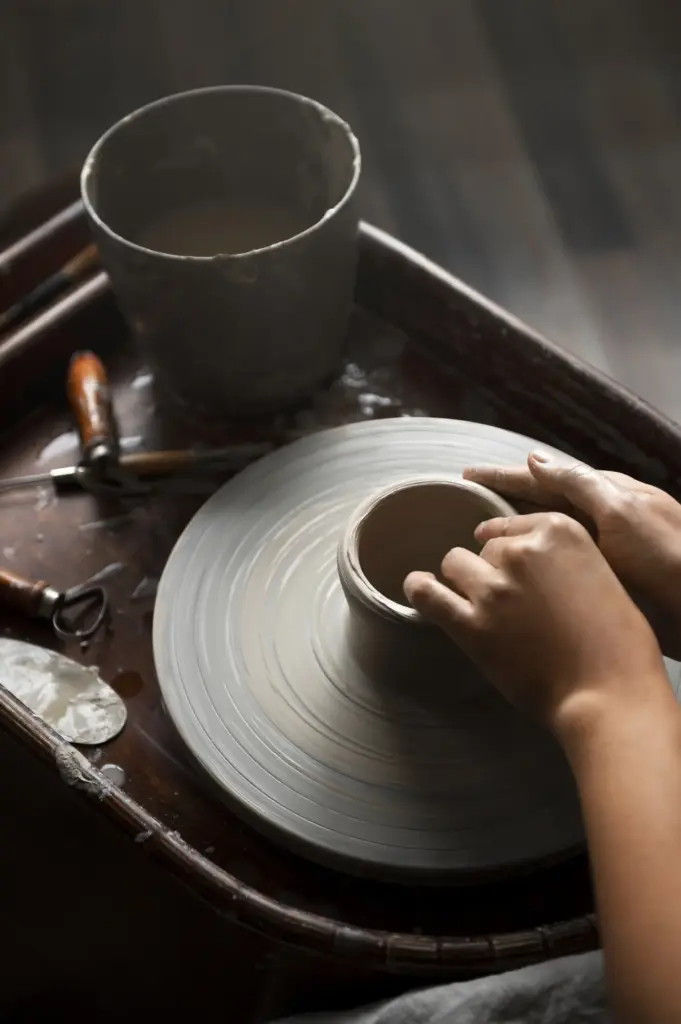
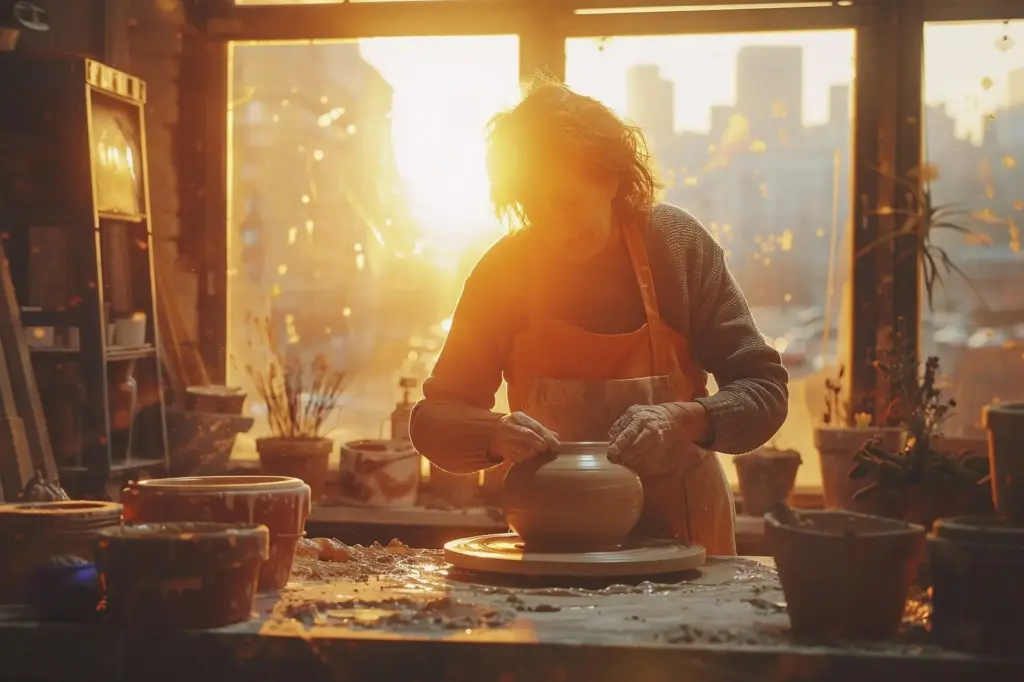
In a pottery studio — perhaps among the thatched houses of Filovci — clay yields to coaxing palms. Centering wobbles, breath slows, and the wheel’s whisper steadies your thoughts. With guidance, a cup rises like a new hillside. Learn why some clays love slow drying, how slips carry color, and why black pottery smolders to life in smoky kilns. When you press a thumbprint inside the rim, remember it will greet someone’s lip. Functional forms are everyday poems worth re-reading.

Flavors to Carry in Your Backpack

Craft journeys work up appetites, and Slovenia answers with golden honey, meadow cheeses, stone-baked breads, and honest wines. Between studios, pause at farm gates and tiny delis, where labels show first names and hillsides. Taste travels best when it’s unhurried: a spoon of acacia honey beside walnuts, a slice of Tolminc with sourdough, a glass of Teran under karst stone. Ask about seasonal specials and picnic spots. Makers love to point you toward their favorite neighbors with pride.

Beekeepers and the Sweet Language of Flowers

Meet apiarists who care for the gentle Carniolan honey bee, Slovenia’s beloved pollinator. In wooden apiaries painted with charming folk panels, you’ll learn how linden, chestnut, and forest honeys taste distinct seasons. Visit the Museum of Apiculture in Radovljica for deeper stories, then sample creamy, crystallized textures and propolis candies. Bring a small jar on walks; a spoonful restores energy between workshops. Ask about wax wraps for plastic-free packing, and note how every bloom along your trail tells a flavor.

Cheese, Bread, and the Alpine Meadow Table

High pastures gift sturdy flavors. Try Tolminc and Bovški sir beside pickled mountain flowers, or a tender skuta spread under forest honey. Many tourist farms bake sourdough in wood-fired ovens, setting loaves to crackle near tiled stoves. When the host slices deeply and laughs easily, linger. Ask about hay-milk, sheep breeds, and which knife loves which rind. Slip a small wedge into your bag with apples, remembering to carry a napkin. Between studios, a simple bench becomes a banquet.

Buying with Purpose, Packing with Care

Ask how to best maintain each piece, request maker signatures when appropriate, and consider commissioning variations instead of buying multiples. Wrap fragile items in clothing, then in a sturdy tote, and carry on rather than checking. For non‑EU travelers, inquire about tax‑free forms and minimum purchase thresholds before paying. Declare food and wood items honestly at borders. Share reviews that spotlight craft depth, not just price. Your choices broadcast respect, shaping how future visitors will be welcomed and taught.

Getting Around Lightly

Slovenia’s rail and bus web is friendly to wanderers, and many stations sit within a pleasant stroll of old workshops. Trains often accept bicycles; e‑bike rentals unlock peaceful side roads between villages and vineyards. Avoid driving into historic centers, where stones remember more feet than tires. Download offline maps, carry a small headlamp for dusk, and let weather steer indoor or outdoor stops. When schedules slip, breathe. A delayed connection can become the precise hour a conversation changes your day.

Alpine Arc: Iron, Honey, and Lace

Morning in Kropa for a forge tour and nail‑making tryout; lunch amid Radovljica’s pastel facades with a visit to the Apiculture Museum; afternoon train or drive to Idrija for lace demonstrations and a pastry stop for žlikrofi. If timing aligns, add the Lace School or a short mine heritage walk. Buy one small piece at each stop rather than many at one. Sunset echoes off mountains, and your bag holds iron, sweetness, and thread — three textures of memory.

Karst to Coast: Stone, Salt, and Boats

Begin in the Karst, admiring stonecutters’ terraces near Štanjel, then sample Teran and prosciutto at a family cellar. Drift down to the Sečovlje salt pans for a guided walk among gleaming fields and wooden rakes. Continue to Piran’s alleys, meeting a maker of maritime models or a restorer of fishing nets. Dinner by the harbor, watching late light on tiled roofs. Distances are short, but flavors stretch wide, crossing centuries of trade winds with every step and story.

Eastern Mosaics: Clay, Folklore, and Vineyards

Head to Filovci’s traditional houses for black pottery demonstrations, then linger over pumpkin‑seed oil drizzle on hearty regional dishes. Drive toward Ptuj’s cobbles, where mask‑makers shape Kurent bells, leather, and feathers into protective joy. Ask about visiting outside Carnival season and watch tool marks become expressions. Finish in Haloze or Jeruzalem hills, sipping white wines while late light folds vineyards into soft quilts. This day pairs the earth’s patient materials with human imagination, leaving your notebook richly inked.

Tavonarisanopexitorakavi
Privacy Overview

This website uses cookies so that we can provide you with the best user experience possible. Cookie information is stored in your browser and performs functions such as recognising you when you return to our website and helping our team to understand which sections of the website you find most interesting and useful.